


.png)
.png)
.png)




digital marketing metrics businesses should track
- Nigel

- 15 minutes ago
- 40 min read
UNDERSTANDING YOUR WEBSITE'S PERFORMANCE
Your website is often the first place people go to learn about your business. It's like your digital storefront, and you want it to look good and work well. Tracking how people use your site tells you a lot about what's working and what's not. It’s not just about having a website; it’s about making sure it actually helps you achieve your business goals.
TRACKING WEBSITE TRAFFIC SOURCES
Ever wonder where your website visitors actually come from? Knowing this is super important. Are they finding you through a Google search, clicking a link on social media, or maybe they typed your address directly? Understanding these traffic sources helps you figure out which marketing efforts are paying off and where you might need to put more energy.
Here's a quick look at common sources:
Organic Search: People finding you through search engines like Google without you paying for the click.
Direct: Visitors who type your website address directly into their browser.
Referral: Visitors who click a link to your site from another website.
Social: People coming from social media platforms like Facebook, Instagram, or LinkedIn.
Paid Search: Visitors who click on your ads in search engine results pages.
Email: People clicking links in your email newsletters or campaigns.
MONITORING BOUNCE RATE AND TIME ON PAGE
When someone lands on your website, how long do they stick around? And do they just look at one page and leave, or do they explore further? That's where bounce rate and time on page come in. A high bounce rate means people are leaving quickly, which might suggest the page isn't what they expected or isn't engaging enough. A longer time on page usually means they're finding your content interesting.
ANALYZING PAGE VIEWS AND UNIQUE VISITORS
Page views tell you how many times pages on your site have been loaded. Unique visitors, on the other hand, count the actual number of different people who visited your site over a specific period. You might have a lot of page views, but if they're all from the same few people, that's different from having a large number of unique visitors. Both numbers give you a sense of your site's reach and how much content is being consumed.
MEASURING CONVERSION RATES
This is a big one. A conversion isn't just a sale; it can be anything you want a visitor to do. Maybe it's filling out a contact form, signing up for a newsletter, or downloading a guide. The conversion rate shows you the percentage of visitors who complete that desired action. A higher conversion rate means your website is doing a better job of turning visitors into leads or customers.
ASSESSING USER FLOW AND NAVIGATION PATHS
How do people actually move around your website? User flow analysis shows you the common paths visitors take from the moment they arrive. Are they easily finding what they're looking for? Or are they getting lost or stuck? Understanding these paths helps you improve your site's navigation and make it easier for people to find information and complete tasks.
UNDERSTANDING AUDIENCE DEMOGRAPHICS
Who exactly is visiting your website? Knowing the age, gender, location, and interests of your audience can really help you tailor your content and marketing messages. If you think you're targeting young adults but your analytics show your visitors are mostly middle-aged, you might need to adjust your approach.
EVALUATING DEVICE USAGE
Are most of your visitors using a desktop computer, a smartphone, or a tablet? In today's world, mobile traffic is huge. You need to make sure your website looks and works great on all devices. If a lot of people are visiting on their phones but the site is hard to use, you're likely losing them.
MASTERING SEARCH ENGINE OPTIMIZATION (SEO)
So, you want your website to show up when people search for stuff online? That's where Search Engine Optimization, or SEO, comes in. It's not just about stuffing keywords everywhere; it's a whole strategy to make your site more visible and trustworthy to search engines like Google. Think of it like making your shop the easiest one to find on a busy street, with a clear sign and a welcoming entrance.
TRACKING ORGANIC SEARCH VISIBILITY
This is basically keeping an eye on how often people find your website through unpaid search results. You want to see if your efforts are actually bringing more people to your site without you having to pay for every click. It’s about building a steady stream of visitors who are genuinely looking for what you offer.
MONITORING KEYWORD RANKINGS
Keywords are the words and phrases people type into search engines. Monitoring your keyword rankings means checking where your website shows up on the search results page for those specific terms. The goal is to climb those rankings, ideally landing on the first page where most people actually look. It’s a constant game of checking and adjusting to stay ahead of the competition.
ANALYZING BACKLINK PROFILE GROWTH
Backlinks are like votes of confidence from other websites. When a reputable site links to yours, it tells search engines that your content is good. You’ll want to track how many new backlinks you’re getting and, more importantly, where they’re coming from. A growing profile of quality links is a strong signal of authority.
MEASURING TECHNICAL SEO HEALTH
This part is all about the behind-the-scenes stuff that makes your website work well for search engines and users. It includes things like how fast your pages load, if search engines can easily crawl and understand your site, and if it works okay on mobile devices. A healthy technical foundation is super important for everything else to work.
ASSESSING LOCAL SEARCH PERFORMANCE
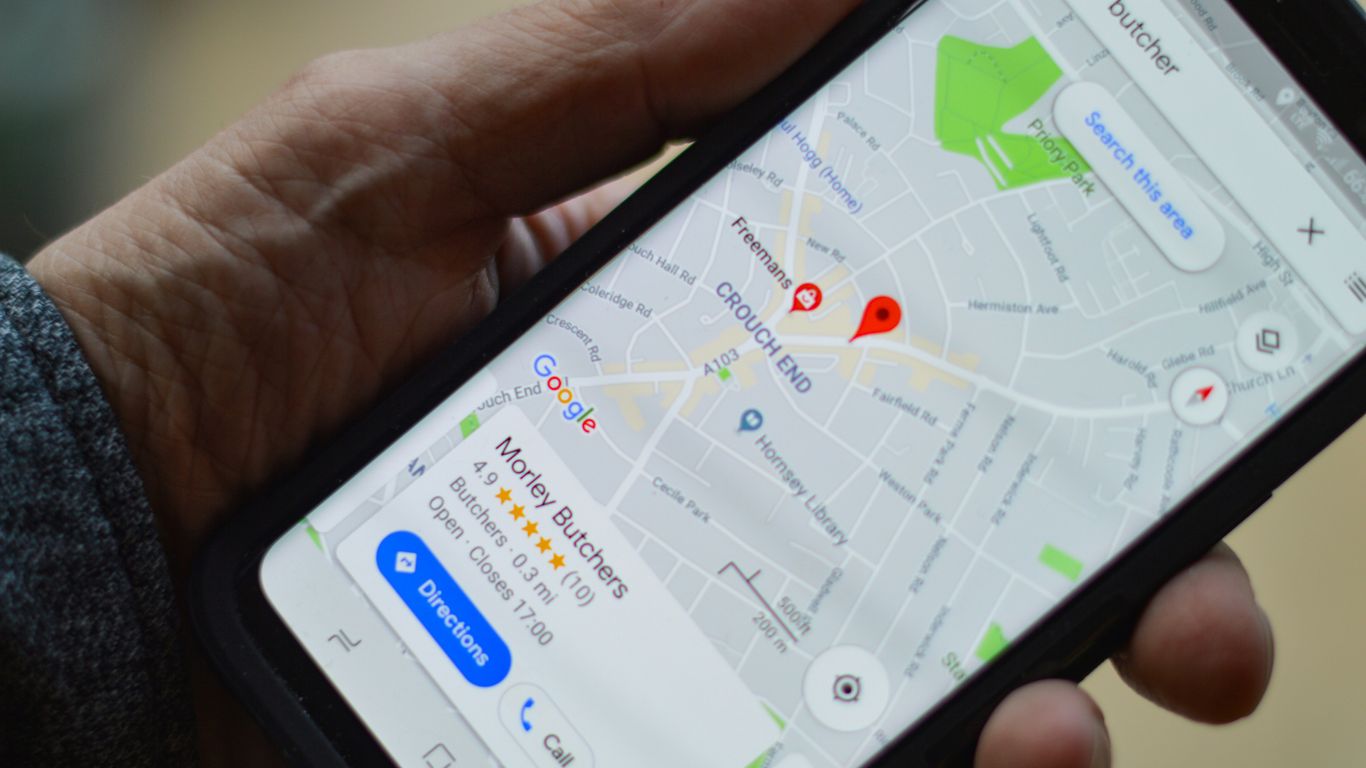
If your business serves a specific area, local SEO is your best friend. This involves making sure your business shows up when people search for products or services near them. Think Google Maps results and local business listings. It’s about being the go-to option for people in your neighborhood.
UNDERSTANDING SEARCH INTENT
This is a bit more nuanced. It’s about figuring out why someone is searching for a particular term. Are they looking to buy something right away? Are they just trying to learn about a topic? Matching your content to what the searcher actually wants is key to satisfying them and keeping them on your site.
EVALUATING CONTENT AUTHORITY
Search engines want to show users the most reliable information. Content authority means establishing your website as a go-to source for a particular topic. This is built over time by consistently publishing high-quality, in-depth content that answers users' questions thoroughly. It’s about becoming a recognized expert in your niche.
DRIVING RESULTS WITH PAID ADVERTISING
Paid advertising, often called Pay-Per-Click (PPC) or Search Engine Marketing (SEM), is like putting your business directly in front of people who are already looking for what you offer. It's a super effective way to get quick visibility and drive traffic to your website. Think of it as a shortcut to reaching potential customers.
TRACKING COST PER CLICK (CPC)
Cost Per Click, or CPC, is pretty straightforward. It's the amount of money you pay each time someone clicks on your ad. Keeping an eye on this helps you understand how much you're spending to get someone to your site. If your CPC is too high, your ad might not be relevant enough to the people seeing it, or maybe your competition is bidding more aggressively. It’s a good idea to compare CPCs across different platforms and campaigns to see where your money is going the furthest.
MONITORING CLICK-THROUGH RATE (CTR)
Click-Through Rate, or CTR, tells you how often people who see your ad actually click on it. It's calculated by dividing the number of clicks your ad gets by the number of times it's shown (impressions). A higher CTR usually means your ad is catching people's attention and is relevant to them. It's a big indicator of ad quality and targeting effectiveness. If your CTR is low, you might need to tweak your ad copy or targeting.
ANALYZING COST PER LEAD (CPL)
Cost Per Lead (CPL) takes things a step further than just clicks. This metric measures how much it costs you to get a potential customer's contact information – essentially, a lead. You figure this out by dividing the total amount you spent on an ad campaign by the number of leads it generated. Lowering your CPL is a key goal for most paid ad campaigns. It means you're getting more leads for less money, which is great for business growth.
MEASURING RETURN ON AD SPEND (ROAS)
Return on Ad Spend (ROAS) is a big one for understanding profitability. It shows you how much revenue you're generating for every dollar you spend on advertising. You calculate it by dividing the revenue generated from your ads by the cost of those ads. A ROAS of 4:1, for example, means you made $4 for every $1 you spent. This metric is super important for knowing if your ad campaigns are actually making you money or just costing you money.
ASSESSING CAMPAIGN BUDGET ALLOCATION
How you split your advertising budget across different campaigns and platforms matters a lot. Are you putting more money into campaigns that are bringing in the best results, or are you spreading it too thin? Looking at your budget allocation helps you see where your spending is most effective. It's about making sure your money is working as hard as possible for you. You might find that one platform or campaign type is significantly outperforming others, prompting a shift in where you invest.
UNDERSTANDING AUDIENCE SEGMENT PERFORMANCE
Paid ads let you target very specific groups of people. Understanding how different audience segments perform is key. Are your ads resonating more with younger people, or older folks? Do people interested in topic X click more than those interested in topic Y? Breaking down performance by audience segment helps you refine your targeting and create more personalized ads that connect better with each group. It’s about talking to the right people in the right way.
EVALUATING AD CREATIVE EFFECTIVENESS
What does your ad actually look like? What does it say? The creative part – the images, videos, and text – plays a massive role in how well your ads perform. Evaluating ad creative effectiveness means looking at which ads get the most clicks, the most engagement, and ultimately, the most conversions. Sometimes a small change in an image or a headline can make a huge difference. A/B testing different ad creatives is a common way to figure out what works best.
Paid advertising isn't just about spending money; it's about spending it wisely. By tracking these key metrics, businesses can move beyond just running ads to actually running successful ad campaigns that contribute directly to their bottom line. It's a continuous process of testing, learning, and optimizing.
LEVERAGING SOCIAL MEDIA MARKETING
Social media is more than just posting pretty pictures; it's a powerful tool for connecting with your audience and driving real business results. When you're looking at your social media efforts, you want to see if people are actually paying attention and if it's leading them to do what you want them to do.
TRACKING FOLLOWER GROWTH AND ENGAGEMENT RATE
It's easy to get caught up in just the number of followers you have. But honestly, a huge follower count means little if none of them interact with your content. You need to watch how many new followers you're getting over time, sure, but more importantly, you need to look at your engagement rate. This tells you how many of your followers are actually liking, commenting, sharing, and saving your posts. A high engagement rate means your content is hitting the mark with the people who follow you.
MONITORING SOCIAL MEDIA REACH AND IMPRESSIONS
Reach is the number of unique people who saw your content, while impressions are the total number of times your content was displayed. Both are important. High reach means your message is getting out to a lot of different individuals. High impressions, especially if they're much higher than your reach, can indicate that people are seeing your content multiple times, which can be good for brand recall. It's about getting your brand in front of as many eyes as possible, and then seeing how often those eyes are seeing it.
ANALYZING WEBSITE TRAFFIC FROM SOCIAL CHANNELS
Are your social media efforts actually sending people to your website? This is a big one. You can track this in your website analytics. Look at how much traffic comes from each social platform. If one platform is sending a lot of visitors, you might want to focus more energy there. If another isn't sending much, you might need to rethink your strategy for that channel or consider if it's worth the effort.
MEASURING SOCIAL MEDIA CONVERSIONS
This is where social media marketing really proves its worth. Conversions can be anything from a sale on your e-commerce store to a lead form submission or a newsletter signup. You need to set up tracking so you can see which social media posts or campaigns are directly leading to these desired actions. Without tracking conversions, you're just guessing if your social media is actually making you money or generating leads.
ASSESSING SENTIMENT AND BRAND MENTIONS
What are people saying about your brand online? Sentiment analysis looks at whether mentions of your brand are positive, negative, or neutral. It's not just about tracking mentions, but understanding the feeling behind them. This feedback is gold for understanding customer perception and identifying areas for improvement. You can use social listening tools to keep an eye on this.
UNDERSTANDING AUDIENCE DEMOGRAPHICS ON EACH PLATFORM
Not all social platforms attract the same people. You need to know who you're actually talking to on each channel. Are you reaching your target audience? For example, the audience on TikTok might be very different from the audience on LinkedIn. Understanding these demographics helps you tailor your content and ad targeting more effectively.
EVALUATING CONTENT PERFORMANCE
Not all content is created equal. Some posts will perform way better than others. You need to look at metrics like likes, shares, comments, and saves for individual posts. Which types of content get the most engagement? Which ones drive the most traffic or conversions? Identifying your top-performing content helps you create more of what your audience loves and less of what they ignore.
OPTIMIZING EMAIL MARKETING CAMPAIGNS
Email marketing is still a powerhouse for connecting with your audience, and getting it right means paying attention to a few key numbers. It's not just about sending emails; it's about sending the right emails to the right people at the right time and seeing what happens.
TRACKING OPEN RATES
This is pretty straightforward – it's the percentage of people who actually open your email after receiving it. A low open rate might mean your subject lines aren't grabbing attention, or maybe your emails are landing in spam folders. It's the first hurdle, and if you can't clear it, nothing else matters.
MONITORING CLICK-THROUGH RATES (CTR)
Once someone opens your email, you want them to click on something inside, right? That's where CTR comes in. It tells you how many people clicked a link in your email compared to how many opened it. A good CTR means your email content and calls-to-action are compelling enough to make people take the next step.
ANALYZING UNSUBSCRIBE RATES
Nobody likes seeing people leave, but a high unsubscribe rate is a clear signal that something's off. Are you sending too many emails? Are they irrelevant? This metric helps you understand if your email strategy is annoying people instead of engaging them.
MEASURING CONVERSION RATES FROM EMAIL
This is where the rubber meets the road. What percentage of people who clicked a link in your email actually completed a desired action, like making a purchase or filling out a form? This metric directly ties your email efforts to actual business results.
ASSESSING LIST GROWTH AND HEALTH
Your email list is your direct line to your audience. You want to see it growing, but more importantly, you want it to be healthy. This means having engaged subscribers who are actually interested in what you have to say. A list full of inactive or fake emails won't do you any good.
UNDERSTANDING SEGMENT PERFORMANCE
Not all your subscribers are the same, and they shouldn't all get the same emails. Segmenting your list based on interests, past behavior, or demographics allows you to send more targeted messages. By looking at how different segments perform, you can refine your approach and make your emails even more effective.
EVALUATING EMAIL CONTENT EFFECTIVENESS
Beyond just opens and clicks, how is your content performing? Are people reading it? Are they sharing it? This involves looking at metrics like time spent reading, social shares, and how well the content aligns with the overall goals of the campaign. Ultimately, effective email content should drive action and build a stronger relationship with your audience.
Keeping an eye on these numbers helps you move from just sending emails to running smart campaigns that actually work. It's all about testing, learning, and adjusting based on what your audience tells you through their actions.
UNDERSTANDING CONTENT MARKETING IMPACT
So, you've put a bunch of effort into creating content – blog posts, articles, maybe even some guides. That's great! But how do you know if it's actually doing anything for your business? That's where tracking comes in. We need to look at what people are doing with your content and if it's helping you reach your goals.
TRACKING CONTENT VIEWS AND ENGAGEMENT
First off, are people even seeing your content? You'll want to keep an eye on how many times your articles or blog posts are viewed. But views alone aren't the whole story. You also need to see how people are interacting with it. Are they just clicking and leaving, or are they sticking around?
Views: The total number of times your content has been seen.
Engagement Rate: This can include likes, shares, comments, and other interactions that show people are actively interested.
MONITORING TIME SPENT ON CONTENT PAGES
This one's pretty straightforward. If someone spends a good chunk of time reading your article, it's a pretty good sign they're finding it interesting or useful. A quick bounce means they probably weren't engaged. You can usually find this data in your website analytics.
ANALYZING SOCIAL SHARES AND COMMENTS
When people share your content on social media or leave comments, it's a strong signal that they found it worth talking about. This not only boosts your content's reach but also gives you direct feedback on what your audience cares about. It's like getting free word-of-mouth advertising.
MEASURING LEAD GENERATION FROM CONTENT
This is where content marketing really starts to pay off. You want to see if your content is actually bringing in potential customers. This usually happens when you offer something valuable, like an ebook or a webinar, in exchange for their contact information.
Here's a simple way to think about it:
Content Published: You create and share a piece of content.
Lead Magnet Offered: Within or after the content, you offer a downloadable resource.
Form Submission: A visitor fills out a form to get the resource.
Lead Captured: You now have a new lead to follow up with.
ASSESSING CONTENT'S CONTRIBUTION TO SEO
Content and SEO go hand-in-hand. Good content helps you rank higher in search results, and higher rankings bring more people to your content. You'll want to look at metrics like organic traffic to your content pages and how well those pages are ranking for relevant keywords. It's a cycle where great content fuels better search performance.
UNDERSTANDING AUDIENCE CONSUMPTION PATTERNS
Think about how people are actually consuming your content. Are they reading blog posts on their phones during their commute? Are they watching videos on their desktops during work breaks? Understanding these patterns helps you tailor your content format and distribution channels to where your audience is most likely to engage.
EVALUATING CONTENT'S ROLE IN THE SALES FUNNEL
Content isn't just for the top of the funnel (attracting new people). It plays a role at every stage. Top-of-funnel content might attract new visitors, middle-of-funnel content could nurture leads, and bottom-of-funnel content might help close a deal. You need to see how your content is helping move people from being just interested to becoming paying customers.
It's easy to get lost in the numbers, but remember that content marketing is about building relationships and providing value. The metrics are just there to show you if you're on the right track.
MEASURING CUSTOMER ACQUISITION EFFICIENCY
So, you've got people coming to your site and maybe even buying something. That's great! But how much is it really costing you to get those customers in the door? That's where measuring customer acquisition efficiency comes in. It's all about making sure the money you spend on marketing actually brings in more money than it costs. Think of it like this: if you spend $100 to get a customer, but they only spend $50 with you, that's not a great deal, right? We need to make sure you're making a profit.
TRACKING CUSTOMER ACQUISITION COST (CAC)
This is pretty straightforward, really. You just add up all the money you spent on marketing and sales over a specific period and divide it by the number of new customers you got during that same time. So, if you spent $5,000 on ads, social media, and sales team salaries in a month, and you landed 100 new customers, your CAC is $50.
Knowing your CAC helps you understand if your marketing efforts are actually making you money.
MONITORING LIFETIME VALUE (LTV)
This metric looks at how much a customer is worth to your business over the entire time they're a customer. It's not just about their first purchase. You figure this out by looking at the average purchase value, how often they buy, and how long they tend to stick around. For example, if a customer typically spends $50 per order, buys 4 times a year, and stays with you for 3 years, their LTV is $600.
ANALYZING THE LTV:CAC RATIO
This is where things get really interesting. You compare your Customer Lifetime Value (LTV) to your Customer Acquisition Cost (CAC). A healthy ratio means your customers are worth more than it costs to get them. A common target is a 3:1 ratio, meaning for every $1 you spend to acquire a customer, you get $3 back in value over time. If your LTV is $600 and your CAC is $50, your ratio is 12:1, which is pretty fantastic!
MEASURING CONVERSION RATES ACROSS THE FUNNEL
It's not just about the final sale. You want to see how many people move from one stage of your marketing and sales process to the next. Think about it like a series of steps:
Awareness: How many people see your ads or content?
Interest: How many click through to learn more?
Consideration: How many sign up for a newsletter or download a guide?
Decision: How many become paying customers?
Tracking these rates helps you spot where people might be dropping off so you can fix it.
ASSESSING LEAD-TO-CUSTOMER CONVERSION
This is a specific part of the funnel we just talked about. It's all about how many of the leads you generate actually turn into paying customers. If you get 1,000 leads in a month and 100 of them buy something, your lead-to-customer conversion rate is 10%. Improving this number means your sales process is getting better at closing deals.
UNDERSTANDING CHANNEL-SPECIFIC ACQUISITION COSTS
Not all marketing channels are created equal, and they definitely don't cost the same. You need to know how much it costs to get a customer from each specific channel you use. For instance, getting a customer through Google Ads might cost $40, while getting one through a social media campaign might cost $60. This helps you figure out where to put your marketing budget for the best results.
EVALUATING THE EFFICIENCY OF MARKETING SPEND
Ultimately, this is the big picture. Are you spending your marketing dollars wisely? You're looking at whether the money you invest is generating a good return. If you spend $10,000 and bring in $30,000 in revenue from those new customers, that's a pretty efficient spend. It's about making sure every dollar works as hard as it can for you.
ASSESSING BRAND AWARENESS AND REACH
So, how do you know if people are actually noticing your brand out there in the digital world? It's not just about making sales; it's about getting your name out there and making sure folks remember you. This section is all about figuring out if your marketing efforts are actually making your brand more visible and if people are talking about you.
TRACKING BRAND MENTIONS ACROSS THE WEB
This is pretty straightforward – you want to see where and how often your brand name pops up online. Think mentions in articles, blogs, forums, and even review sites. It’s like keeping an ear to the ground to hear what people are saying.
MONITORING SOCIAL MEDIA IMPRESSIONS AND REACH
When you post on social media, how many people actually see it? Impressions are the total number of times your content was displayed, while reach is the number of unique people who saw it. Getting more eyes on your content is a good sign your brand is getting out there.
ANALYZING DIRECT WEBSITE TRAFFIC
If people are typing your website address directly into their browser or using a bookmark, that's a strong signal they know who you are and are actively seeking you out. This kind of traffic often means your brand is sticking in people's minds.
MEASURING SEARCH VOLUME FOR BRAND TERMS
Are more people searching for your brand name or specific products/services you offer? Tools can show you this trend. An increase here means your brand awareness efforts are likely working, and people are curious enough to look you up.
ASSESSING SHARE OF VOICE
This metric compares your brand's visibility to that of your competitors. It’s about understanding how much of the conversation in your industry belongs to you. Are you a dominant voice, or are you getting lost in the crowd?
UNDERSTANDING BRAND SENTIMENT
It's not just if people are talking about you, but how they're talking about you. Is the sentiment positive, negative, or neutral? Tools can help analyze comments and mentions to gauge overall feelings towards your brand.
EVALUATING PUBLIC RELATIONS IMPACT
Did that press release get picked up by any news outlets? Did a blogger mention your product? Tracking mentions from PR activities helps you see if your efforts to get media coverage are actually paying off in terms of brand visibility.
EVALUATING USER EXPERIENCE AND ENGAGEMENT
Think about the last time you visited a website that was just plain annoying to use. Maybe the buttons were tiny, or you couldn't find what you were looking for, or it took forever to load. Yeah, that's a bad user experience, and it's a big problem for businesses online. People just won't stick around if it's a hassle.
TRACKING BOUNCE RATES ON KEY PAGES
So, what's a bounce rate? Basically, it's the percentage of visitors who land on a page and then leave without clicking on anything else. If a lot of people are bouncing from a specific page, it's a pretty good sign that something's not quite right there. Maybe the content isn't what they expected, or the page is slow to load. You really want to keep those bounce rates low, especially on important pages like your homepage or product pages.
MONITORING TIME ON SITE
This one's pretty straightforward. How long are people actually spending on your website? If they're hanging around for a good chunk of time, it usually means they're finding your content interesting or useful. A short time on site, on the other hand, might suggest they're not finding what they need or that the site isn't engaging enough. It's like people browsing in a shop – if they're looking around for a while, they're probably interested in buying something.
ANALYZING PAGES PER SESSION
This metric tells you how many different pages a visitor checks out during a single visit. A higher number here generally means people are exploring your site more, clicking from one page to another. This is a good sign that your website's structure makes sense and that you've got interesting stuff to see. If people are only looking at one page and then leaving, that's a red flag.
MEASURING FORM SUBMISSION RATES
Forms are usually there for a reason, right? Whether it's signing up for a newsletter, requesting a quote, or making a purchase, you want people to actually fill them out. The form submission rate is just the percentage of people who start a form and actually finish it. If this number is low, it could mean the form is too long, confusing, or asking for information people aren't comfortable sharing right away.
ASSESSING USER FLOW AND DROP-OFF POINTS
User flow is like a map of how people move through your website. You can see where they start, where they go next, and importantly, where they decide to leave. Identifying these drop-off points is super helpful. If you see a lot of people leaving at the same spot, you know that's an area you need to investigate and fix. It's like finding a pothole on a road and fixing it so others don't have the same bumpy ride.
UNDERSTANDING NAVIGATION SUCCESS RATES
Can people actually find what they're looking for on your site? Navigation success rate looks at how often users successfully complete a task that involves using your site's navigation. For example, if someone clicks on a menu item and then finds the page they wanted, that's a success. If they click around a bunch and still can't find it, that's a failure. A well-organized site makes this easy.
EVALUATING INTERACTION RATES WITH WEBSITE ELEMENTS
This is about looking at how people interact with specific things on your pages. Are they clicking on buttons? Watching videos? Using interactive tools? If people aren't interacting with the elements you've put there, they might not be noticeable, useful, or interesting. It's worth checking if your calls-to-action are clear and if your content is engaging enough to make people want to click around.
UNDERSTANDING VIDEO MARKETING PERFORMANCE
Video is a big deal these days, right? It feels like everyone's watching videos, and if you're not using them in your marketing, you might be missing out. But how do you know if your videos are actually doing anything for your business? That's where tracking comes in.
TRACKING VIDEO VIEWS AND COMPLETION RATES
First off, you gotta know if people are even watching your videos. Simple views are okay, but they don't tell you much. It's the completion rate that really matters. Did they watch the whole thing, or did they bail after 5 seconds? Most platforms give you this data. You can see how many people started watching and what percentage made it to the end. This helps you figure out if your video is engaging enough to keep someone's attention.
MONITORING AUDIENCE RETENTION WITHIN VIDEOS
This is like a more detailed version of completion rate. Think of it as a graph showing where people drop off. Maybe your intro is great, but then things get a bit slow in the middle. This metric shows you exactly where that happens. Knowing these drop-off points helps you tweak future videos so they stay interesting from start to finish.
ANALYZING CLICK-THROUGH RATES FROM VIDEO ADS
If your video is an ad, you probably want people to do something after watching it, like visit your website. The click-through rate (CTR) tells you how many people clicked on the link or call-to-action in your video ad. A higher CTR means your ad is convincing enough to make people want to learn more. It's a pretty direct way to see if your video ads are driving traffic.
MEASURING CONVERSIONS DRIVEN BY VIDEO CONTENT
This is the big one, isn't it? Are your videos actually leading to sales or leads? You need to set up tracking so you can see if someone who watched a video eventually bought something or signed up for your newsletter. This connects your video efforts directly to business results, which is what we're all after.
ASSESSING ENGAGEMENT METRICS (LIKES, SHARES, COMMENTS)
Beyond just watching, how are people interacting with your videos? Likes, shares, and comments are all signs that your video is making an impact. Shares, especially, are great because they extend your reach to new audiences. Comments can give you direct feedback, too. It's good to see these numbers going up.
UNDERSTANDING VIEWER DEMOGRAPHICS
Who is actually watching your videos? Knowing the age, location, and interests of your viewers helps you understand if you're reaching the right audience. If you're targeting young professionals, but your video viewers are mostly retirees, you might need to adjust your content or how you're promoting it.
EVALUATING VIDEO'S IMPACT ON BRAND PERCEPTION
This one's a bit trickier to measure directly, but it's super important. How do people feel about your brand after seeing your videos? Are they seeing you as innovative, trustworthy, or maybe a bit boring? You can get clues from comments, social sentiment analysis, and sometimes through surveys. A positive brand perception is built over time with consistent, quality video content.
Here's a quick look at what to keep an eye on:
Metric | What It Tells You |
|---|---|
Views | How many times your video was watched |
Completion Rate | Percentage of viewers who watched the entire video |
Audience Retention | Where viewers drop off during the video |
Click-Through Rate (CTR) | How many viewers clicked your call-to-action |
Conversions | How many viewers took a desired action (e.g., buy) |
Engagement (Likes, Shares) | How viewers are interacting with your video |
Viewer Demographics | Who is watching your videos |
Brand Sentiment | How viewers perceive your brand after watching |
Ultimately, video marketing isn't just about making cool videos. It's about making videos that work for your business goals. Tracking these metrics helps you see what's working, what's not, and how to make your next video even better.
OPTIMIZING FOR MOBILE MARKETING
These days, most people are glued to their phones, right? So, if your business isn't thinking mobile-first, you're probably missing out. It's not just about having a website that looks okay on a small screen; it's about making the whole experience smooth and easy for someone on the go.
TRACKING MOBILE WEBSITE TRAFFIC
First things first, you gotta know who's visiting your site from their phones. Tools like Google Analytics will show you this split. You can see how many people are coming from mobile devices versus desktops or tablets. This helps you understand your audience's habits.
MONITORING MOBILE CONVERSION RATES
Are those mobile visitors actually doing what you want them to do? Like, buying something or filling out a form? You need to track conversion rates specifically for mobile. A low rate here might mean your mobile checkout process is clunky or your call-to-action buttons are too small.
ANALYZING MOBILE USER EXPERIENCE
This is where you really get into the nitty-gritty. How fast does your site load on a phone? Is it easy to tap buttons? Can people find what they're looking for without pinching and zooming like crazy? Tools can help you see where users get stuck or frustrated.
MEASURING MOBILE APP DOWNLOADS AND USAGE
If you have a mobile app, this is super important. You'll want to track how many people are downloading it and how often they're actually using it. Are they sticking around, or downloading and then forgetting about it?
ASSESSING MOBILE AD PERFORMANCE
When you run ads on mobile, you need to see how they're doing. This includes things like how many people see your ad (impressions), how many click on it (CTR), and how much it costs you to get that click (CPC). Ads that look great on a desktop might be totally unreadable on a phone.
UNDERSTANDING MOBILE USER BEHAVIOR
What are people doing on your mobile site? Are they scrolling endlessly, or are they engaging with your content? Watching videos? This gives you clues about what works and what doesn't for your mobile audience.
EVALUATING MOBILE-SPECIFIC CAMPAIGN EFFECTIVENESS
Sometimes, you'll run campaigns specifically designed for mobile users. Maybe it's an SMS campaign or an app install ad. You need to measure if these targeted efforts are actually hitting the mark and bringing in the results you expect. It's all about seeing if your mobile-focused plays are paying off.
Making your digital presence mobile-friendly isn't just a nice-to-have anymore; it's a must-have. Think about how you use your phone to interact with businesses online. If it's a pain, you probably bounce, right? Your customers feel the same way.
ANALYZING COMPETITOR DIGITAL MARKETING EFFORTS
It's pretty smart to keep an eye on what your competitors are up to online. You can learn a lot by seeing what works for them, and maybe even spot some opportunities they're missing. Think of it like checking out the competition at a bake sale – you see what flavors are popular, who's selling the most, and what their setup looks like.
TRACKING COMPETITOR WEBSITE TRAFFIC ESTIMATES
Figuring out exactly how much traffic a competitor gets can be tricky, but tools like Similarweb or SEMrush can give you a pretty good idea. They look at data from various sources to estimate visitor numbers, where they're coming from, and how long they stick around. This helps you understand their overall online presence and reach.
MONITORING COMPETITOR SOCIAL MEDIA ACTIVITY
Social media is a goldmine for competitor insights. You can see what kind of content they're posting, how often, and how their audience is reacting. Are they getting a lot of likes and comments on certain types of posts? Are they running ads? Watching their engagement rates and follower growth can tell you a lot about their social strategy.
ANALYZING COMPETITOR PAID AD STRATEGIES
Tools like SEMrush or Ahrefs can show you which keywords competitors are bidding on for paid ads and what their ad copy looks like. You can also see which ad networks they're using. This gives you a peek into their advertising budget and what messages they're using to attract customers.
MEASURING COMPETITOR SEARCH ENGINE RANKINGS
See where your competitors pop up in search results for important keywords. Are they consistently ranking high for terms you also want to rank for? Tools can track this over time, showing you if they're gaining or losing ground in organic search. It’s a good way to gauge their SEO effectiveness.
ASSESSING COMPETITOR CONTENT STRATEGIES
What kind of blog posts, videos, or guides are they creating? Look at the topics they cover and how they present the information. Are they focusing on educational content, product demos, or customer testimonials? Understanding their content can reveal their approach to attracting and engaging their target audience.
UNDERSTANDING COMPETITOR AUDIENCE TARGETING
While direct insight is hard to get, you can infer a lot. Look at the language they use in their ads and social posts, the platforms they're most active on, and the types of content that get the most engagement. This can give you clues about who they believe their ideal customer is.
EVALUATING COMPETITOR BRAND MENTIONS
Keep an ear out for what people are saying about your competitors online. Tools like Google Alerts or social listening platforms can track mentions across the web, in news articles, forums, and social media. This helps you understand their reputation and how their brand is perceived.
MEASURING LEAD QUALITY AND SALES ENABLEMENT
So, you're getting leads, which is great! But are they the right leads? This is where measuring lead quality and making sure your sales team can actually do something with them comes into play. It’s not just about how many people raise their hand; it’s about how likely those people are to actually buy something.
TRACKING MARKETING QUALIFIED LEADS (MQLS)
Think of MQLs as potential customers who have shown some interest, maybe by downloading an ebook or signing up for a newsletter. They're not quite ready to buy, but they're definitely warmer than a cold lead. We track these by looking at specific actions they take on your website or through your marketing campaigns. It’s about identifying those who have engaged enough to be passed from marketing to sales for further nurturing.
MONITORING SALES QUALIFIED LEADS (SQLS)
SQLs are the next step up. These are leads that your sales team has reviewed and decided are a good fit and have a real potential to become a customer. They’ve usually shown more specific buying intent, like requesting a demo or asking for a quote. This is the point where marketing has done its job, and sales is ready to step in.
ANALYZING LEAD-TO-OPPORTUNITY CONVERSION RATE
This metric tells you how many of those SQLs actually turn into a sales opportunity. An opportunity is a deal that your sales team is actively working on. A high conversion rate here means your sales process is effective at turning interested leads into actual prospects.
MEASURING OPPORTUNITY-TO-CLOSE RATE
This is the big one. It measures how many of those sales opportunities actually result in a closed deal – a new customer! It’s the ultimate test of how well your marketing efforts are translating into revenue. A low rate might mean there are issues with your sales process, your pricing, or even the quality of leads being passed over.
ASSESSING THE VALUE OF MARKETING-GENERATED LEADS
Beyond just counting leads, it’s smart to figure out how much revenue those marketing-generated leads bring in. You can look at the average deal size for leads that came from marketing channels compared to other sources. This helps you understand the real financial impact of your marketing campaigns.
UNDERSTANDING SALES TEAM FEEDBACK ON LEAD QUALITY
Don't forget to talk to your sales team! They're on the front lines and can give you direct feedback on whether the leads they're getting are good. Are they a good fit for your product? Do they have budget? Are they making the purchase decision? This qualitative feedback is super important for refining your lead generation strategies.
EVALUATING THE EFFICIENCY OF THE SALES FUNNEL
Finally, look at the whole process from initial lead to closed sale. Where are the bottlenecks? Are leads getting stuck at a certain stage? By mapping out and analyzing each step, you can identify areas for improvement to make the entire process smoother and more effective, ultimately driving more sales.
UNDERSTANDING CUSTOMER RETENTION AND LOYALTY
Keeping customers around is a big deal for any business, right? It's way easier and cheaper to get someone to buy from you again than to find a brand new customer. So, keeping an eye on how well you're holding onto the folks who already like you is super important.
TRACKING CUSTOMER LIFETIME VALUE (CLV)
This metric is all about how much money a customer is likely to spend with your business over the entire time they're a customer. Think of it as the total worth of a single customer relationship. A higher CLV means your customers are sticking around and spending more, which is pretty much the dream scenario. It helps you figure out how much you can afford to spend to get a new customer and still make a profit.
MONITORING REPEAT PURCHASE RATE
How often do your customers come back for more? That's what the repeat purchase rate tells you. It's a straightforward way to see if your products or services are good enough to make people want to buy again. A solid repeat purchase rate usually means happy customers who trust your brand.
ANALYZING CUSTOMER CHURN RATE
Churn rate is the flip side of retention. It's the percentage of customers who stop doing business with you over a certain period. High churn is a red flag, signaling that something isn't quite right. Maybe your product isn't meeting expectations, customer service is lacking, or competitors are offering something better. You'll want to dig into why people are leaving.
MEASURING CUSTOMER SATISFACTION SCORES (CSAT)
CSAT is a direct way to ask your customers how happy they are with a specific interaction or your business overall. Usually, it's a simple question like, "How satisfied were you with your recent experience?" on a scale. Getting good CSAT scores shows you're doing a good job meeting customer needs.
ASSESSING NET PROMOTER SCORE (NPS)
NPS is a bit different. It asks customers how likely they are to recommend your business to a friend or colleague. People are categorized as Promoters (loyal enthusiasts), Passives (satisfied but unenthusiastic), or Detractors (unhappy customers). It gives you a good sense of overall customer loyalty and your brand's reputation.
UNDERSTANDING CUSTOMER ENGAGEMENT METRICS
This covers a bunch of things, like how often customers interact with your emails, use your app, or engage with your social media content. Are they just buying and disappearing, or are they actively involved with your brand? Higher engagement often leads to better retention and loyalty.
EVALUATING LOYALTY PROGRAM PERFORMANCE
If you have a loyalty program, you'll want to see if it's actually working. Are customers signing up? Are they using their rewards? Is the program encouraging them to spend more or come back more often? It's all about whether the program is paying off for both you and your customers.
ASSESSING THE EFFECTIVENESS OF LANDING PAGES
Landing pages are super important, right? They're like the final stop for a lot of your marketing efforts, where you really want people to take a specific action. So, checking how well they're doing is a big deal.
TRACKING LANDING PAGE CONVERSION RATES
This is probably the most obvious one. You've got a page designed to get someone to sign up, download something, or buy a product. The conversion rate tells you what percentage of visitors actually did that thing. A higher conversion rate means your page is doing its job. If it's low, something's not quite clicking with visitors.
MONITORING BOUNCE RATES ON LANDING PAGES
Bounce rate is just the percentage of people who land on your page and then leave without clicking on anything else. If a lot of people are bouncing, it could mean the page isn't what they expected, it loads too slowly, or it's just not engaging enough. You want this number to be as low as possible.
ANALYZING TIME SPENT ON LANDING PAGES
How long are people sticking around? If they're spending a decent amount of time, it suggests they're actually reading your content and considering what you're offering. If they're gone in seconds, well, that's probably not a good sign. It's a bit like looking at how long someone browses in a shop – are they just popping in and out, or are they actually looking at the products?
MEASURING LEAD GENERATION FROM SPECIFIC PAGES
This is about tracking how many actual leads (like email sign-ups or contact form submissions) come directly from a particular landing page. You can often set this up in your analytics tools. It helps you see which pages are the best at bringing in potential customers.
ASSESSING A/B TEST RESULTS FOR LANDING PAGES
Ever heard of A/B testing? It's where you create two versions of a page (Version A and Version B) and show them to different groups of people to see which one performs better. You might test different headlines, images, or button colors. Looking at the results helps you figure out what changes actually make a difference in getting more conversions.
UNDERSTANDING USER FLOW FROM LANDING PAGES
This is about following the journey of someone after they land on your page. Where do they go next? Do they click the call-to-action button? Do they get confused and go back? Tools can show you these paths, and it's really helpful for spotting any confusing parts of your page or website.
EVALUATING CALL-TO-ACTION EFFECTIVENESS
Your call-to-action (CTA) is that button or link that tells people what to do next, like 'Sign Up Now' or 'Download Free Guide'. You need to see if people are actually clicking it. Things like the button's color, text, and placement can all affect how effective it is. Making your CTA clear and compelling is key.
Here's a quick look at what you might want to keep an eye on:
Metric | What it tells you |
|---|---|
Conversion Rate | How many visitors complete the desired action. |
Bounce Rate | How many visitors leave without interacting further. |
Time on Page | How long visitors engage with the content. |
Leads Generated | The number of new contacts acquired from the page. |
A/B Test Performance | Which page variations drive better results. |
User Flow Analysis | The paths visitors take after landing on the page. |
CTA Click-Through Rate (CTR) | How often visitors click your main call-to-action. |
Paying attention to these numbers helps you tweak your landing pages so they work harder for your business. It’s all about making small changes that add up to big improvements in getting people to do what you want them to do.
OPTIMIZING FOR SEARCH ENGINE MARKETING (SEM)
Search Engine Marketing, or SEM, is all about getting your business seen when people are actively searching for what you offer on search engines like Google. It's a bit different from SEO, which is more about earning that visibility over time. SEM is more about paying for it, usually through ads that pop up right at the top of the search results.
TRACKING PAID SEARCH IMPRESSIONS
When you run ads, the first thing you want to know is how many times people actually saw them. That's what impressions are all about. It's like putting up a billboard – you want to know how many cars drove past it. For SEM, this tells you how often your ad was shown to potential customers. It’s a basic measure of reach, and while it doesn't mean they clicked, it’s the very first step in getting noticed.
MONITORING PAID SEARCH CLICKS
Okay, so people saw your ad (impressions). Now, did they actually click on it? That’s where clicks come in. This metric shows how many people were interested enough by your ad’s headline or description to want to learn more. A good number of clicks means your ad is grabbing attention and making people curious. It’s a direct sign that your ad copy and targeting are hitting the mark.
ANALYZING PAID SEARCH CTR
Click-Through Rate, or CTR, is a really handy way to see how effective your ad is at getting people to click. You calculate it by dividing the number of clicks your ad got by the number of times it was shown (impressions), then multiplying by 100. So, if your ad was shown 1,000 times and got 50 clicks, your CTR is 5%. A higher CTR generally means your ad is more relevant and appealing to the people who see it. It’s a great indicator of ad quality and targeting accuracy.
MEASURING PAID SEARCH CONVERSIONS
This is where the rubber meets the road. A conversion isn't just a click; it's when someone who clicked your ad actually does something valuable for your business. This could be buying a product, filling out a contact form, signing up for a newsletter, or downloading an app. Tracking conversions tells you if your SEM efforts are actually leading to business results, not just website visits.
ASSESSING PAID SEARCH COST PER CONVERSION
Knowing how much you're spending to get a conversion is super important for your budget. Cost Per Conversion (sometimes called Cost Per Acquisition or CPA) is what you figure out by dividing your total ad spend by the number of conversions you got. If you spent $500 on ads and got 10 conversions, your Cost Per Conversion is $50. You want this number to be as low as possible, especially compared to the value of that conversion.
UNDERSTANDING CAMPAIGN PERFORMANCE BY KEYWORD
When you run SEM campaigns, you usually target specific keywords. Looking at how each keyword performs is key. Some keywords might bring in tons of clicks but no conversions, while others might have fewer clicks but lead to a lot of sales. Breaking down performance by keyword helps you figure out which search terms are actually driving business and which ones are just costing you money.
EVALUATING AD COPY EFFECTIVENESS
Your ad copy – the words in your ad – makes a huge difference. Are you clearly explaining what you offer? Is there a compelling reason for someone to click? Evaluating ad copy effectiveness means looking at things like CTR and conversion rates for different versions of your ads. You might run two ads with slightly different headlines or descriptions to see which one performs better. It’s all about testing and tweaking to find the messages that really connect with people.
UNDERSTANDING THE IMPACT OF DIGITAL MARKETING SPEND
So, you've put money into digital marketing – that's great! But how do you know if it's actually working? It's not just about spending cash; it's about making sure that cash is doing its job effectively. We need to look at where the money is going and what it's bringing back. It's all about making every dollar count.
TRACKING OVERALL MARKETING EXPENDITURE
First things first, you've got to know the total amount you're spending. This isn't just about one campaign; it's the big picture. Think about all the ads, the tools you're using, maybe even the people you've hired to help. Keeping a clear record of this total spend is the starting point for figuring out what's next.
MONITORING RETURN ON INVESTMENT (ROI)
This is a big one. ROI tells you if your marketing efforts are actually making you more money than you're spending. It's pretty straightforward: you compare the profit you made from your marketing to how much you spent. A positive ROI means you're in the green, which is exactly what we want.
ROI helps you see if your marketing is a money-maker or just a money-drain. It's the ultimate test of whether your campaigns are paying off.
ANALYZING MARKETING SPEND BY CHANNEL
Not all marketing channels are created equal, right? Some might be killing it, while others are just meh. Breaking down your spend by channel – like social media ads, Google Ads, email marketing – shows you which ones are performing best. This helps you decide where to put more money and where to maybe pull back.
Channel | Spend | Revenue Generated | ROI |
|---|---|---|---|
Google Ads | $5,000 | $15,000 | 200% |
Facebook Ads | $3,000 | $6,000 | 100% |
Email Marketing | $500 | $2,000 | 300% |
SEO | $2,000 | $4,000 | 100% |
MEASURING COST PER ACQUISITION (CPA)
CPA is all about how much it costs you to get one new customer. If your CPA is lower than what that customer is worth to you over time, you're doing well. It's a direct way to see how efficient your campaigns are at bringing in actual buyers.
ASSESSING BUDGET EFFICIENCY
This is where you look at how well you're using the budget you have. Are you spending too much on things that don't bring results? Or are you leaving money on the table by not investing enough in channels that work? It's about making smart choices with your marketing funds.
UNDERSTANDING THE CONTRIBUTION OF EACH CHANNEL TO REVENUE
It’s not enough to just know the ROI of each channel. You also want to understand how much each one is contributing to your overall sales. Some channels might have a lower ROI but bring in a huge volume of sales, which is still important. Seeing the full picture helps you make better decisions about where to focus your efforts and your budget.
EVALUATING THE SCALABILITY OF MARKETING INVESTMENTS
Finally, think about the future. Can you spend more money on a channel that's working well and expect to get proportionally more results? That's scalability. If a channel is scalable, it means you can grow your business by investing more in it. It's a good sign that your marketing spend is setting you up for future growth.
MEASURING THE SUCCESS OF DIGITAL MARKETING STRATEGY
So, you've been putting in the work with your digital marketing efforts, but how do you actually know if it's all paying off? That's where measuring the success of your overall strategy comes in. It's not just about looking at individual campaign numbers; it's about seeing the big picture and how everything fits together to help your business hit its targets.
Tracking Progress Towards Business Goals
This is probably the most important part. Are your marketing activities actually moving the needle on what matters most for your business? Maybe your main goal is to increase overall sales, or perhaps it's to get more people to sign up for a free trial. Whatever it is, you need to have those specific business goals clearly defined first. Then, you can see if your marketing is helping you get there.
Monitoring Key Performance Indicators (KPIs)
KPIs are like your dashboard lights. They give you a quick snapshot of how things are going. For digital marketing, these could be things like:
Customer Acquisition Cost (CAC): How much does it cost to get a new customer?
Customer Lifetime Value (CLV): How much revenue can you expect from a customer over their entire relationship with you?
Return on Investment (ROI): Are you making more money than you're spending on marketing?
Conversion Rate: What percentage of people take a desired action (like buying something or filling out a form)?
Keeping an eye on these numbers helps you understand the health of your marketing machine.
Analyzing the Alignment of Marketing Activities with Objectives
Sometimes, you might be doing a lot of marketing activities, but they're not really lined up with what you want to achieve. For example, if your goal is to increase sales, but you're only focusing on social media likes and shares (which are more about brand awareness), you might not be seeing the sales growth you expect. It's about making sure every campaign and tactic has a clear purpose that supports your main business objectives.
Measuring the Overall Impact on Revenue
Ultimately, for most businesses, the bottom line is revenue. You want to know how much money your digital marketing efforts are directly contributing. This can be tricky because marketing often works in stages, but by tracking conversions and attributing sales back to specific channels or campaigns, you can get a clearer picture of the financial impact.
Assessing the Effectiveness of Integrated Campaigns
Most successful digital marketing isn't just one thing; it's a mix of different channels working together. Think about how your social media ads might drive traffic to your website, where a visitor then signs up for your email list, and later converts through an email campaign. Measuring the success of these integrated campaigns means looking at how all the pieces work together, not just in isolation. It's about the synergy between different marketing efforts.
Understanding the Long-Term Growth Trajectory
Digital marketing success isn't always an overnight thing. Some strategies, like SEO or content marketing, build momentum over time. You need to look beyond short-term wins and assess if your current efforts are setting you up for sustained growth in the future. Are you building a brand, a loyal audience, and a strong online presence that will continue to bring in results?
Evaluating the Adaptability of the Strategy
The digital world changes fast. What worked last year might not work today. A successful strategy needs to be flexible. This means regularly reviewing your performance, understanding market shifts, and being willing to adjust your approach. An adaptable strategy is one that can weather changes and continue to drive results. It's about staying agile and responsive to new opportunities and challenges.
Figuring out if your online marketing is working is super important. We help you see what's getting results and what's not. Want to know how well your digital ads are doing? Let's find out together. Visit our website to learn more about how we track success and boost your online presence!
Frequently Asked Questions
Why should a business care about website traffic sources?
Knowing where your website visitors come from is super important. It helps you figure out which methods are actually bringing people to your site. If most of your visitors are coming from social media, you'll know to focus more effort there. If a certain ad campaign is sending lots of people, you can invest more in that. It's all about understanding what's working so you can do more of it and stop wasting time on things that aren't helping.
What's the big deal with bounce rate and time on page?
Bounce rate is like asking, 'Did people leave right away?' A high bounce rate might mean your page isn't interesting or relevant to what they expected. Time on page tells you if people are actually sticking around to read or watch your content. If they're spending more time, it's a good sign they find your stuff valuable. These numbers help you see if your content is grabbing and keeping attention.
How do keyword rankings help with SEO?
Think of keyword rankings like your spot in a race. When people search for terms related to what you offer, you want your website to show up near the top. Tracking these rankings shows if your efforts to make your site more visible on search engines like Google are paying off. The higher you rank for important keywords, the more likely people are to click on your link and visit your site.
What does 'Return on Ad Spend' (ROAS) really mean?
ROAS is a fancy way of saying how much money you make back for every dollar you spend on ads. If you spend $100 on ads and make $500 in sales because of those ads, your ROAS is 5:1. It's a key number to see if your advertising is actually making you money or just costing you money. A good ROAS means your ads are profitable.
Why is tracking follower growth on social media important?
Growing your followers on social media means more people are interested in what you have to say. It's like building an audience for your brand. A larger, engaged following can lead to more people seeing your posts, sharing your content, and eventually becoming customers. It shows your social media efforts are building a community around your business.
What are 'open rates' and 'click-through rates' for emails?
An 'open rate' is the percentage of people who open your email when they receive it. A 'click-through rate' (CTR) is the percentage of those who opened the email and then clicked on a link inside. These numbers tell you if your email subject lines are catchy enough to get people to open them, and if the content inside is interesting enough to make them click further. They are vital for seeing if your emails are working.
How does content marketing impact a business?
Content marketing, like blog posts or videos, helps attract and keep customers by giving them useful information. When you create great content, people start to see you as an expert. This can lead them to visit your website, share your content, and eventually buy from you. It's a way to build trust and relationships over time, not just push sales.
What is Customer Acquisition Cost (CAC), and why track it?
Customer Acquisition Cost, or CAC, is the total amount of money a business spends to get a new customer. This includes all marketing and sales costs. Tracking CAC helps businesses understand how efficient their efforts are. If it costs too much to get a customer, the business might not be making enough profit from them. It's crucial for making sure your growth is sustainable.
What does 'brand awareness' actually mean for a business?
Brand awareness is simply how familiar people are with your brand. Do they recognize your name, logo, or products? Tracking things like how often your brand is mentioned online or how many people search for your brand name helps measure this. Higher brand awareness means more people are likely to consider your business when they need what you offer.
Why is user experience (UX) on a website so important?
User experience is all about how easy and enjoyable it is for someone to use your website. If a website is confusing, slow, or hard to navigate, people will leave. Tracking things like how long people stay on your site, how many pages they visit, and if they can easily find what they need helps you improve the user experience. A good UX keeps visitors happy and encourages them to stay and engage.
How can businesses tell if their video marketing is successful?
Success in video marketing can be measured in a few ways. Are people watching your videos all the way through (completion rates)? Are they clicking on links within the videos? Are they liking, sharing, or commenting? These engagement metrics show if your videos are capturing attention and resonating with viewers. It helps you understand what kind of video content works best.
What's the point of analyzing competitor digital marketing?
Looking at what your competitors are doing online can give you great ideas and help you spot opportunities. You can see what kind of ads they're running, what keywords they're targeting, and how they engage on social media. This information helps you understand the market better and find ways to stand out and do things differently or better. It's like getting a peek at their playbook.




.jpg)