


.png)
.png)
.png)




Organic Discovery to Checkout: How SEO Powers Koi Thé’s Bubble Tea Demand
- Tsamarah Balqis
- Dec 17, 2025
- 2 min read

Mobile pages load fast lean templates, stable layout
Menus that answer sizes, sugar/ice, toppings, promos
Outlets found first store pages that actually rank
Services Used: Strategy, Technical Cleanup, Content Hub, Local Presence, Analytics/Tracking
Meet Koi Thé Singapore.
Koi Thé is a staple for milk tea, macchiatos, and seasonal collabs across the island. Offline demand is huge; online, the website needed to catch micro-moments like nearest outlet, today’s specials, sugar/ice levels, toppings, delivery from my area, and any promo now? before aggregators or listicles stole the click.
The initial challenge.
Organic sessions clustered around a few generic pages, while discovery terms milk tea flavours, cheese tea, fruit tea, “best boba near me” were dominated by publishers and delivery marketplaces. Titles and headings were brand-forward instead of query-aligned; heavy hero assets and third-party scripts slowed first paint on mobile the exact second users decide to stay or bounce. Store pages varied in depth and schema coverage, so map-pack visibility wobbled; some locations lacked consistent NAP, hours, or landmark cues.
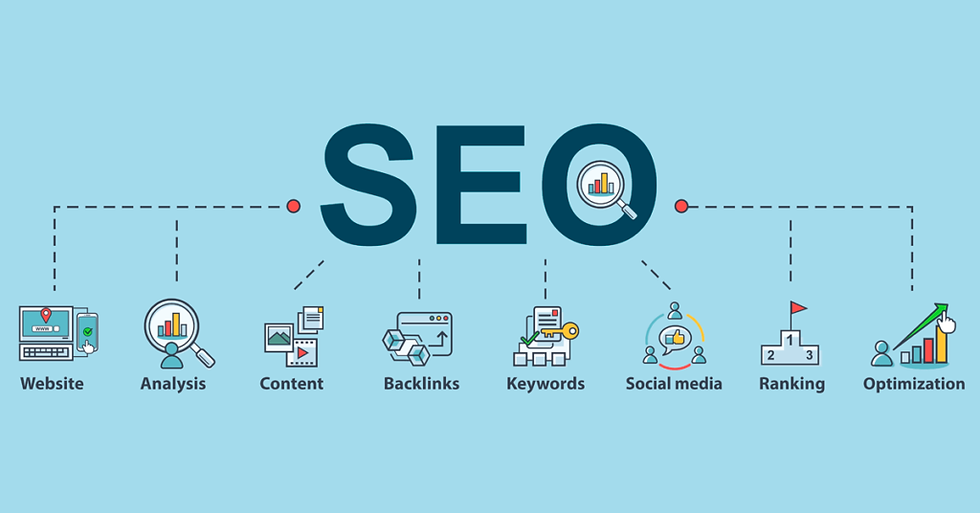
Menu content mixed core drinks with limited-time drops, but customisation (sugar/ice), topping compatibility, allergens, and calories were inconsistent. Analytics focused on pageviews rather than actions that correlate to revenue find a store, view menu, apply customisation, click to delivery, sign up for promos so it was hard to prove which content nudged real orders.
Our solutions.
We rebuilt foundations for relevance, speed, and locality, then layered a content system that meets thirsty intent earlier. Technical cleanup came first: query-aligned titles/H1s on menu and category pages; clarified H2/H3 hierarchies; compressed imagery; deferred non-critical scripts; and stabilised containers to tame CLS on mobile. Information architecture mirrors real decisions Menu → Customise (sugar/ice/toppings) → Seasonal Drops → Outlets → Order and internal links now funnel authority from stories into money pages. For locality, every outlet page became a mini-microsite with consistent NAP, hours, delivery/collection options, embedded maps, public-transport/landmark cues, and LocalBusiness schema, so each location can rank and convert independently for “near me.”
We launched a snackable content hub tied to real searches: what’s cheese tea, how sugar levels affect taste, best toppings for fruit teas, limited-time collabs, allergen/calorie pointers. Each piece links purposefully to relevant categories and the closest outlets, with Organization, Product/MenuItem, FAQ, and BreadcrumbList schema for richer snippets. Measurement moved from vanity to intent signals: in GA4 we instrumented Find a store, View menu, Customisation clicks (sugar/ice/toppings), Delivery partner click, Begin checkout (if applicable), and Promo sign-ups, all with disciplined UTMs for apples-to-apples reporting.
Impact.
Mobile pages now load quickly and answer what matters first today’s drinks, sugar/ice options, toppings, allergens, where to get them reducing bounce and shortening the path to order. Store pages surface more consistently in map-packs, editorial guides create new entry points during seasonal drops, and internal links channel that interest into nearby outlets and delivery partners. Reporting traces a clear line from search to actions the business cares about: more store lookups, more menu/customisation interactions, and more delivery click-outs especially at afternoon and evening peaks when “boba now” converts in seconds.
Want this lift for your brand? Let’s make your site the fastest path from craving to checkout. Talk to PaperCut Collective.


.jpg)